function initSystem() {
  const kernel = new Core({
    threads: 16,
    memory: '64GB',
    architecture: 'x86_64'
  });

  kernel.boot().then(() => {
    console.log('System online.');
    startServices();
  });
}

class NeuralNet {
  constructor(layers) {
    this.layers = layers;
    this.weights = this.initializeWeights();
  }

  forward(inputs) {
    let current = inputs;
    for (const layer of this.layers) {
      current = layer.activate(current, this.weights);
    }
    return current;
  }
}

function initSystem() {
  const kernel = new Core({
    threads: 16,
    memory: '64GB',
    architecture: 'x86_64'
  });

  kernel.boot().then(() => {
    console.log('System online.');
    startServices();
  });
}

class NeuralNet {
  constructor(layers) {
    this.layers = layers;
    this.weights = this.initializeWeights();
  }

  forward(inputs) {
    let current = inputs;
    for (const layer of this.layers) {
      current = layer.activate(current, this.weights);
    }
    return current;
  }
}

function initSystem() {
  const kernel = new Core({
    threads: 16,
    memory: '64GB',
    architecture: 'x86_64'
  });

  kernel.boot().then(() => {
    console.log('System online.');
    startServices();
  });
}

class NeuralNet {
  constructor(layers) {
    this.layers = layers;
    this.weights = this.initializeWeights();
  }

  forward(inputs) {
    let current = inputs;
    for (const layer of this.layers) {
      current = layer.activate(current, this.weights);
    }
    return current;
  }
}

function initSystem() {
  const kernel = new Core({
    threads: 16,
    memory: '64GB',
    architecture: 'x86_64'
  });

  kernel.boot().then(() => {
    console.log('System online.');
    startServices();
  });
}

class NeuralNet {
  constructor(layers) {
    this.layers = layers;
    this.weights = this.initializeWeights();
  }

  forward(inputs) {
    let current = inputs;
    for (const layer of this.layers) {
      current = layer.activate(current, this.weights);
    }
    return current;
  }
}

function initSystem() {
  const kernel = new Core({
    threads: 16,
    memory: '64GB',
    architecture: 'x86_64'
  });

  kernel.boot().then(() => {
    console.log('System online.');
    startServices();
  });
}

class NeuralNet {
  constructor(layers) {
    this.layers = layers;
    this.weights = this.initializeWeights();
  }

  forward(inputs) {
    let current = inputs;
    for (const layer of this.layers) {
      current = layer.activate(current, this.weights);
    }
    return current;
  }
}

function initSystem() {
  const kernel = new Core({
    threads: 16,
    memory: '64GB',
    architecture: 'x86_64'
  });

  kernel.boot().then(() => {
    console.log('System online.');
    startServices();
  });
}

class NeuralNet {
  constructor(layers) {
    this.layers = layers;
    this.weights = this.initializeWeights();
  }

  forward(inputs) {
    let current = inputs;
    for (const layer of this.layers) {
      current = layer.activate(current, this.weights);
    }
    return current;
  }
}

function initSystem() {
  const kernel = new Core({
    threads: 16,
    memory: '64GB',
    architecture: 'x86_64'
  });

  kernel.boot().then(() => {
    console.log('System online.');
    startServices();
  });
}

class NeuralNet {
  constructor(layers) {
    this.layers = layers;
    this.weights = this.initializeWeights();
  }

  forward(inputs) {
    let current = inputs;
    for (const layer of this.layers) {
      current = layer.activate(current, this.weights);
    }
    return current;
  }
}

function initSystem() {
  const kernel = new Core({
    threads: 16,
    memory: '64GB',
    architecture: 'x86_64'
  });

  kernel.boot().then(() => {
    console.log('System online.');
    startServices();
  });
}

class NeuralNet {
  constructor(layers) {
    this.layers = layers;
    this.weights = this.initializeWeights();
  }

  forward(inputs) {
    let current = inputs;
    for (const layer of this.layers) {
      current = layer.activate(current, this.weights);
    }
    return current;
  }
}

function initSystem() {
  const kernel = new Core({
    threads: 16,
    memory: '64GB',
    architecture: 'x86_64'
  });

  kernel.boot().then(() => {
    console.log('System online.');
    startServices();
  });
}

class NeuralNet {
  constructor(layers) {
    this.layers = layers;
    this.weights = this.initializeWeights();
  }

  forward(inputs) {
    let current = inputs;
    for (const layer of this.layers) {
      current = layer.activate(current, this.weights);
    }
    return current;
  }
}

function initSystem() {
  const kernel = new Core({
    threads: 16,
    memory: '64GB',
    architecture: 'x86_64'
  });

  kernel.boot().then(() => {
    console.log('System online.');
    startServices();
  });
}

class NeuralNet {
  constructor(layers) {
    this.layers = layers;
    this.weights = this.initializeWeights();
  }

  forward(inputs) {
    let current = inputs;
    for (const layer of this.layers) {
      current = layer.activate(current, this.weights);
    }
    return current;
  }
}
Full Stack Web Developer | AI Enthusiast
SHIVANSH SHARMA
I build modern full stack web applications with scalable APIs, polished user experiences, and practical AI-powered features.
/ Philosophy
"Great software stays calm under pressure: clear architecture, reliable behavior, and code that remains easy to evolve."
I am a full stack web developer who builds complete products end to end, from responsive frontend experiences to robust backend services and databases.
As an AI enthusiast, I enjoy integrating intelligent features into real-world apps while keeping performance, usability, and maintainability at the center.
/ Work
Selected Artifacts
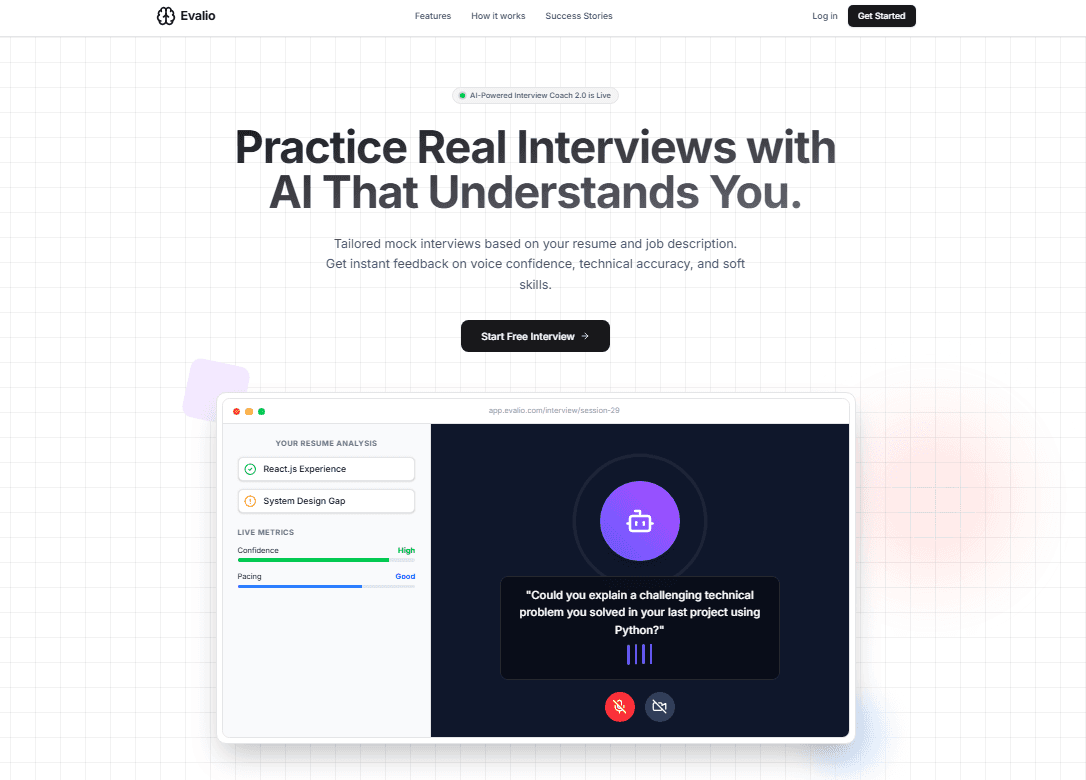
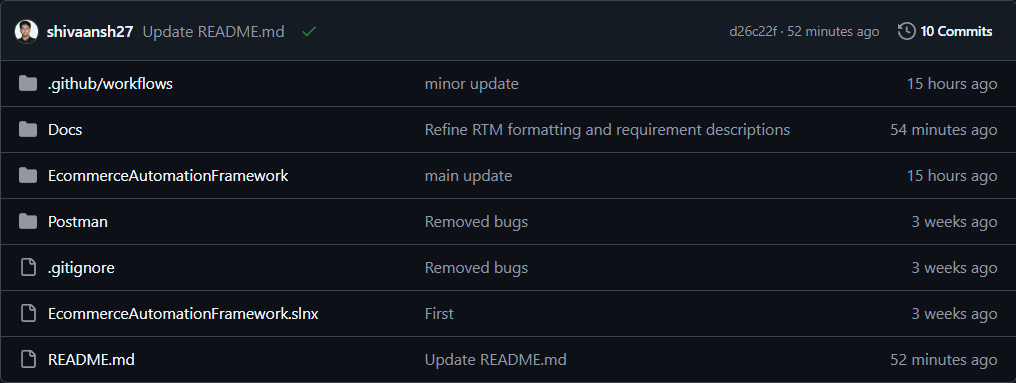



/ Capabilities
Applied AI for Production
I treat AI as product infrastructure, not a demo feature. My focus is building systems that combine model capability with strong validation, predictable behavior, and measurable business outcomes.
SAP Certified Generative AI
Certified in enterprise-ready Generative AI development by SAP.
API Integration
Production integrations with safe prompts, fallbacks, and strict error handling.
Intelligent Workflows
Designing AI-backed workflows with validation, guardrails, and automation.
/ Technical Toolkit
Instruments of Choice

Node.js
Async Programming - REST APIs

Express.js
Middleware - Routing

MongoDB
Schema Design - Indexing

TypeScript
Strict typing - Scalable architecture

React.js
Component-driven UI

PostgreSQL
Relational data - SQL

Firebase
WebSockets - Real-time

Docker
Containerization

C++
High performance - Systems

C#
.NET Framework

Git
Version Control - CI/CD

JWT & RBAC
Authentication - Security
/ Journey
SAP Certified Generative AI Developer
SAP
Completed enterprise-focused certification in Generative AI development and integration.
SAP Certified Generative AI Developer
SAP
Completed enterprise-focused certification in Generative AI development and integration.
Software Engineering Virtual Experience
J.P. Morgan
Built financial data modeling and visualization workflows with performance-focused engineering practices.
Open Source Contributor
GSSoC'25 & Hacktoberfest
Contributed code and documentation across open-source projects, strengthening collaboration and delivery quality.
Open Source Contributor
GSSoC'25 & Hacktoberfest
Contributed code and documentation across open-source projects, strengthening collaboration and delivery quality.
B.Tech Computer Science & Engineering
Lovely Professional University
CGPA: 7.75. Ranked in the Top 10 of a college Web-A-Thon after delivering a SaaS product prototype.
/ Blog
Latest Dispatches
Thoughts on building production systems, shipping AI features, and engineering lessons from the trenches.
How URL Shorteners Work: The System Design Behind TinyURL and Bitly
A deep dive into the system design, architecture, and algorithms behind URL shortening services like TinyURL and Bitly, exploring base62 encoding, database choices, and scaling strategies.
Caching Explained with Real Examples: The Secret Behind Fast Systems
A deep dive into caching strategies, including Cache-Aside, Write-Through, and Write-Back, explaining how real-world systems use Redis and CDNs to achieve high performance.
Contact
Open to full stack web development and AI-focused opportunities where I can build impactful, production-ready products.